
Video: Fire breaks out in Hyderabad-Jaipur train at Nampally railway station – The Siasat Daily
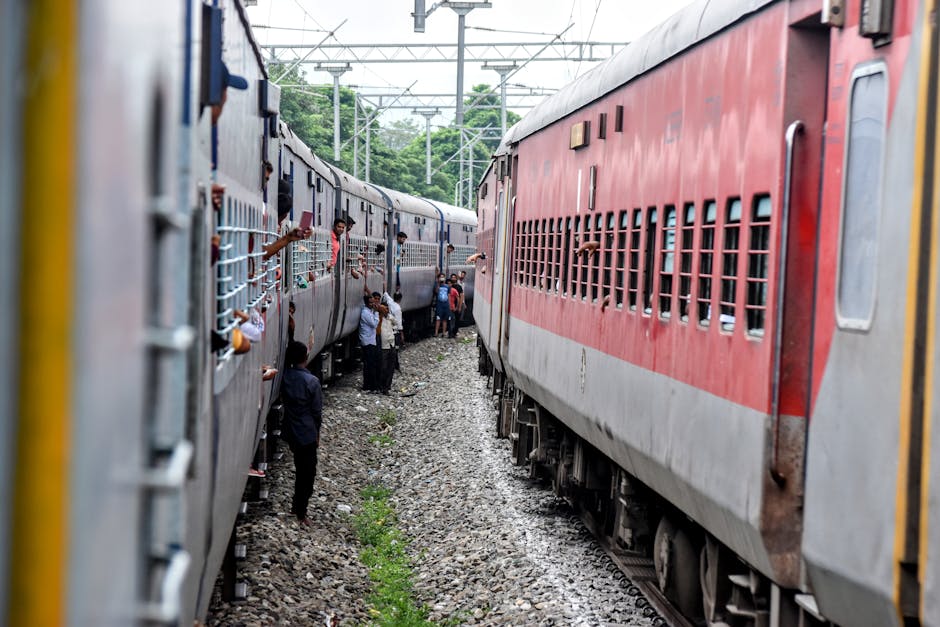
A significant fire incident occurred on a Hyderabad-Jaipur bound train at Nampally Railway Station in Hyderabad, Telangana. The blaze, which erupted on Tuesday, October 26, 2023, during the early morning hours, prompted an immediate emergency response and widespread concern. Authorities swiftly initiated measures to contain the fire and ensure the safety of passengers and station personnel.
Background
Nampally Railway Station, officially known as Hyderabad Deccan (station code: HYB), stands as one of the busiest and most historically significant railway terminals in South Central Railway (SCR) zone. Serving as a crucial gateway to Hyderabad, the station handles an immense volume of daily passenger traffic, connecting the city to various parts of India. With its multiple platforms and extensive rail network, Nampally is a vital transit point for thousands of commuters and long-distance travelers alike. The station's architecture, dating back to 1907, reflects a rich heritage, yet its infrastructure is continuously updated to meet modern demands for safety and efficiency.
The train involved in the incident was the Hyderabad-Jaipur Express, specifically Train No. 12720, a popular service connecting the Deccan heartland with the vibrant state of Rajasthan. This express service typically comprises a mix of Sleeper (SL), AC 3-tier (3A), AC 2-tier (2A), and General (GS) coaches, along with a pantry car, accommodating hundreds of passengers on its long journey. On the day of the incident, the train was scheduled for an early morning departure, with passengers already boarding or settling into their berths.
Indian Railways operates under a stringent framework of safety regulations designed to minimize risks associated with rail travel. Fire safety is a paramount concern, with specific guidelines for coach manufacturing, maintenance, and operational procedures. These include the mandatory installation of fire extinguishers in all coaches, clear marking of emergency exits, use of fire-retardant materials in interiors, and regular safety audits. Despite these measures, incidents of fire, though rare, underscore the perpetual challenges in maintaining safety across a vast and complex network. Previous minor incidents, often attributed to short circuits or passenger negligence, have consistently prompted reviews of existing protocols.
The fire was first detected at approximately 3: 45 AM by a vigilant Railway Protection Force (RPF) constable on patrol near Platform 4, where the Hyderabad-Jaipur Express was berthed. The constable observed smoke emanating from one of the sleeper coaches, specifically S1. His immediate alert to the Station Master's office and the RPF control room triggered the emergency response system. Simultaneously, several passengers who had already boarded and were preparing for departure also noticed the smoke and raised alarms, prompting initial attempts to evacuate the affected coaches.
The initial response was swift, involving the RPF, Government Railway Police (GRP), and available railway staff. Within minutes of the alarm, station personnel began efforts to uncouple the affected coaches from the rest of the rake to prevent the fire's spread. Fire extinguishers from nearby platforms and station offices were deployed in an attempt to douse the nascent flames, while the public address system was utilized to issue urgent evacuation instructions to passengers in the vicinity of the fire, guiding them towards safer areas of the platform.
Key Developments
The firefighting operations commenced in earnest with the rapid arrival of the Hyderabad Fire Services. The first fire tender reached Nampally Railway Station at approximately 4:05 AM, just twenty minutes after the initial alarm. Recognizing the potential for a major incident, additional tenders were immediately dispatched, bringing the total to eight fire engines from various stations including Moghalpura, Assembly, and Malakpet. Firefighters, equipped with specialized gear, swiftly began tackling the blaze, which by this time had engulfed coach S1 and was rapidly spreading to adjacent coaches S2 and the pantry car. The primary strategy involved cutting off the electrical supply to the entire rake and the overhead equipment (OHE) on the affected platform to prevent further electrical hazards. High-pressure water jets and foam suppressants were used to combat the intense flames, particularly within the confined spaces of the railway coaches. The operation continued for nearly three hours, with firefighters working meticulously to cool down the coaches and extinguish all hot spots, ensuring the fire was completely under control by 7:00 AM.
The evacuation of passengers was a critical and immediate priority. As smoke filled the coaches, RPF and GRP personnel, along with railway volunteers, moved swiftly through the train, waking sleeping passengers and guiding them off the train. The public address system was continuously used to issue clear, calm instructions, directing passengers to exit the platform and assemble at designated safe zones outside the station premises. Challenges included the pre-dawn darkness, the initial panic among some passengers, and the need to assist elderly individuals and families with young children. Despite these hurdles, the coordinated efforts ensured that all passengers were safely evacuated from the affected coaches and the adjacent parts of the platform before the fire intensified significantly. Approximately 700 passengers were on board the train at the time, with those in coaches S1, S2, and the pantry car being directly impacted by the immediate evacuation.
Following the containment of the fire, railway authorities promptly initiated a high-level inquiry. A five-member committee, headed by the Divisional Railway Manager (DRM) of Secunderabad Division, was constituted to ascertain the exact cause of the fire. The committee included senior officials from the Mechanical, Electrical, Safety, and RPF departments of South Central Railway. Forensic teams from the state police were also called in to collect samples and evidence from the charred coaches. Initial hypotheses ranged from a short circuit in the electrical wiring of one of the coaches, particularly in the fan or lighting circuits, to an external source such such as carelessly discarded smoking material or unauthorized cooking equipment brought by passengers. The possibility of sabotage, though less likely, was also not immediately ruled out, pending thorough investigation.
Official statements were issued by various authorities throughout the morning. Mr. Arun Kumar Jain, General Manager of South Central Railway, addressed the media, confirming that there were no casualties or serious injuries, attributing this to the timely detection and swift evacuation. He assured a comprehensive investigation and pledged full cooperation with all regulatory bodies. The District Collector of Hyderabad also visited the site, commending the coordination between the railway authorities and the state fire services. He confirmed that medical teams were on standby, though only a few minor cases of smoke inhalation were reported, which were treated on the spot.
Preliminary findings from the initial inspection by the inquiry committee indicated that the fire likely originated in coach S1, specifically near the washroom area or an electrical panel towards one end of the coach. The rapid spread was attributed to the presence of flammable materials within the coach, including upholstery, curtains, and passenger luggage, which acted as fuel. The intensity of the fire suggested a significant heat source, leading investigators to focus on the electrical systems within S1 as the most probable point of origin. The coaches were relatively new, adding a layer of complexity to the investigation, as newer rakes are typically equipped with more advanced fire safety features.
Impact
The most critical aspect of any such incident is the human cost. Fortunately, due to the early detection and rapid response, there were no fatalities reported from the Hyderabad-Jaipur Express fire. However, the incident did result in a number of minor injuries. A total of 12 individuals, primarily passengers from coaches S1 and S2, reported symptoms of smoke inhalation. These individuals experienced coughing, eye irritation, and mild respiratory discomfort. They were immediately attended to by a dedicated medical team dispatched to the station. First aid was administered on site, and two passengers, an elderly woman and a child, were briefly taken to a nearby government hospital for observation as a precautionary measure, both discharged within hours after being declared stable. Several other passengers sustained minor scrapes and bruises during the hasty evacuation, but none required hospitalization. The absence of severe injuries or loss of life was widely hailed as a testament to the effectiveness of the emergency protocols and the coordinated efforts of all involved agencies.
The fire caused extensive damage, primarily to the train coaches and, to a lesser extent, to station infrastructure.
Damage Assessment
Train Coaches
Coaches S1 and S2 bore the brunt of the inferno, suffering catastrophic damage. The interiors of both sleeper coaches were completely gutted, with seats, berths, luggage racks, and electrical fittings reduced to charred debris. The aluminum and steel structures of the coaches were severely warped and discolored by the intense heat, compromising their structural integrity. The pantry car, adjacent to S2, also sustained significant damage, particularly to its kitchen equipment, storage areas, and electrical systems, though the fire was largely contained before it could fully engulf this coach. The estimated cost of repairing or replacing these three coaches, including their complex electrical and mechanical systems, is projected to be in the range of INR 8 to 10 crores (approximately USD 1 to 1.2 million), representing a substantial financial loss for Indian Railways.
Station Infrastructure
While the primary damage was confined to the train, Nampally station infrastructure also experienced some minor impacts. The overhead electrical (OHE) lines directly above Platform 4, though immediately de-energized, sustained some heat damage, necessitating thorough inspection and minor repairs. Sections of the platform surface showed scorch marks and minor cracks due to falling debris and the heat from the fire. Signaling equipment in the immediate vicinity was also checked for functionality, though no major damage was reported. The station building itself, located a safe distance from the incident site, remained unaffected. The swift action of isolating the train and cutting power prevented more widespread damage to the station's vital operational components.
Passenger Belongings
For passengers traveling in coaches S1, S2, and partially the pantry car, the loss of personal belongings was significant. Many passengers had left their luggage, documents, and valuables in their berths during the pre-departure period or during the initial moments of evacuation. These items were either destroyed by the fire or rendered unusable by smoke and water damage. The loss included clothing, electronic devices, important personal documents, and in some cases, significant amounts of cash or jewelry. This loss, while not easily quantifiable in monetary terms for the railway, represented a substantial personal setback for the affected individuals, leading to immediate distress and inconvenience.
Disruption to Services
The incident at Nampally Railway Station, a major hub, inevitably led to widespread disruption of train services.
Train Cancellations/Delays
The Hyderabad-Jaipur Express (12720) itself was cancelled for the day of the incident, and its return journey (12719) from Jaipur to Hyderabad was also subsequently cancelled. Several other trains originating from or terminating at Nampally were either delayed significantly or partially cancelled. These included:
* Charminar Express (12760/12759): Delayed by several hours.
* Hyderabad-Secunderabad Intercity Express (17010/17009): Short-terminated or departed from Kachiguda.
* Falaknuma Express (12704/12703): Delayed due to congestion on alternative lines.
In total, at least 15 trains experienced delays ranging from 2 to 6 hours, and 3 services were fully cancelled, causing immense inconvenience to thousands of daily commuters and long-distance travelers.
Route Diversions
To manage the backlog and ensure continued service, some trains were diverted to other railway stations in Hyderabad, primarily Secunderabad Junction and Kachiguda Railway Station. This required rapid re-routing and communication with passengers, often causing confusion but successfully mitigating further delays. Special announcements were made at these alternative stations to guide passengers.
Impact on Commuters
The general disruption at Nampally station, a central transport hub, had a ripple effect across the city's public transport network. Many daily commuters relying on local trains or connecting services from Nampally found themselves stranded or forced to seek alternative, often more expensive, modes of transport. The closure of Platform 4 for investigation and cleanup further reduced operational capacity, leading to overcrowding on other platforms and a general atmosphere of disarray for several hours.
Psychological Impact
Beyond the physical and logistical impacts, the incident left a significant psychological imprint. Passengers who were on board the affected coaches experienced varying degrees of trauma, fear, and anxiety. The sudden awakening to smoke and fire, the hasty evacuation in the dark, and the sight of their belongings consumed by flames were deeply distressing experiences. Even those who were not directly in the affected coaches but witnessed the event from other parts of the train or platform reported feelings of shock and vulnerability. Railway staff, particularly those involved in the immediate response and firefighting, also faced considerable stress and emotional strain. The incident served as a stark reminder of the inherent risks, even in routine operations, and the critical importance of safety preparedness.
Economic Impact
The economic repercussions of the fire extend beyond the direct damage costs. Indian Railways incurred significant financial losses from the cancellation of services, loss of ticket revenue, and the operational costs associated with managing the crisis, including diverting trains, providing alternative arrangements, and deploying additional personnel. The estimated revenue loss from cancelled and delayed services for the day was calculated to be approximately INR 50 lakhs (around USD 60,000). Furthermore, the disruption affected local businesses operating within and around Nampally station, as reduced passenger footfall and general chaos temporarily impacted their daily trade. The cost of the investigation itself, involving multiple agencies and forensic experts, also added to the overall economic burden.
Environmental Impact
The fire generated a substantial amount of smoke, which, though quickly dispersed by the morning breeze, contained particulate matter and various gases from the burning materials (plastics, upholstery, electrical insulation). While the immediate environmental impact on air quality in the surrounding urban area was temporary, the disposal of the charred remains of the coaches presented an environmental challenge. Hazardous waste management protocols had to be followed for the safe removal and disposal of the debris, ensuring that contaminated materials were not released into the environment. The incident highlighted the need for sustainable and environmentally conscious practices in railway operations, especially concerning material selection and waste disposal following accidents.
What Next
The aftermath of the Nampally train fire initiates a comprehensive series of actions, primarily centered around a thorough investigation, the implementation of enhanced safety measures, and the restoration of normal operations.
Ongoing Investigation
The high-level inquiry committee, comprising experts from various railway departments and external forensic agencies, has been tasked with conducting an exhaustive investigation into the incident. This process is expected to be meticulously detailed and could span several weeks to months. Key aspects of the investigation include:
* Forensic Analysis: Detailed examination of the charred remains of coaches S1, S2, and the pantry car to pinpoint the exact origin and cause of the fire. This involves collecting samples for laboratory analysis to identify any accelerants or specific materials that contributed to the fire's rapid spread.
* Witness Interviews: Recording statements from passengers, railway staff (loco pilot, guard, TTEs, RPF personnel, station staff), vendors, and any other individuals who witnessed the event or had relevant information.
* CCTV Footage Review: Analysis of surveillance footage from Nampally station platforms and surrounding areas to track movements before the fire, observe the initial moments of detection, and assess the speed of response.
* Technical Reports: Scrutiny of maintenance records for the affected rake, electrical system diagrams, and previous inspection reports to identify any pre-existing faults or deviations from safety standards.
* Expert Consultation: Engaging fire safety experts, electrical engineers, and material scientists to provide specialized insights into the incident's dynamics.
The Commissioner of Railway Safety (CRS), an independent authority under the Ministry of Civil Aviation, will also conduct its own statutory inquiry, which will be crucial for determining accountability and making recommendations for future prevention. The findings of these investigations are paramount for understanding systemic failures, if any, and preventing recurrence.
Preventative Measures
In response to the incident, Indian Railways is expected to review and potentially enhance its existing fire safety protocols. This could involve several key initiatives:
* Material Standards: Re-evaluation of the fire retardancy standards for materials used in coach interiors, including berths, curtains, and flooring, with a push towards even more advanced fire-resistant composites.
* Fire Suppression Systems: Accelerated deployment of advanced automatic fire detection and suppression systems (e.g., mist-based systems) in all coaches, especially in sleeper and AC compartments, going beyond the current reliance on manual extinguishers.
* Electrical System Upgrades: Comprehensive audits and potential upgrades of electrical wiring and circuitry across the entire fleet to minimize the risk of short circuits, with a focus on using flame-retardant cables and improved circuit protection mechanisms.
* Passenger Awareness Campaigns: Launching intensified awareness campaigns through announcements, posters, and digital media to educate passengers about fire safety, the dangers of carrying flammable materials, and the importance of not smoking in trains.
* Stricter Luggage Checks: Implementing more rigorous checks for prohibited items, such as gas cylinders, stoves, and highly flammable liquids, at boarding points, possibly utilizing advanced scanning technologies.
* Staff Training: Conducting refresher courses and advanced training for railway staff, including RPF, GRP, and TTEs, on emergency response procedures, evacuation protocols, and effective use of fire safety equipment.
Repair and Restoration
The damaged coaches (S1, S2, and the pantry car) will be moved to the railway workshop for detailed assessment. Given the extent of the damage, it is highly probable that these coaches will be condemned and replaced with new ones, rather than undergoing extensive repairs. The procurement and commissioning of new coaches could take several months, impacting the overall rake composition and potentially affecting the capacity of the Hyderabad-Jaipur Express for a temporary period. Simultaneously, Platform 4 at Nampally station will undergo necessary repairs to its OHE lines, platform surface, and any affected signaling equipment. This restoration work is expected to be completed within a few weeks, allowing full operational capacity to be restored swiftly.
Compensation and Support
Indian Railways will establish a clear procedure for affected passengers to claim compensation for lost luggage and belongings. This will involve submitting detailed lists of lost items, along with supporting documentation where possible. While the Railways Act provides for limited liability in such cases, the administration may consider ex-gratia payments to provide immediate relief. Psychological counseling services might also be offered to passengers and staff who experienced significant trauma, demonstrating a commitment to their well-being beyond immediate physical safety.
Legal Ramifications
Depending on the findings of the inquiry, if negligence on the part of any individual or entity (e.g., maintenance contractor, specific railway personnel) is established, legal proceedings could follow. This might involve disciplinary action within the railway administration or, in severe cases, criminal charges under relevant sections of the Indian Penal Code and the Railways Act. The CRS report will play a crucial role in determining the legal course of action.
Long-term Safety Enhancements
Beyond immediate measures, the Nampally incident could catalyze broader policy changes and investments in railway safety infrastructure across the vast Indian Railways network. This might include:
* Budgetary Allocations: Increased allocation of funds for modernizing safety equipment, upgrading coaches, and improving fire safety systems across the entire fleet.
* Research and Development: Investment in R&D for new fire-resistant materials, advanced sensor technologies, and integrated safety management systems.
* International Benchmarking: Studying best practices in fire safety from leading international railway systems and integrating relevant innovations into Indian Railways operations.
Resumption of Services
The Hyderabad-Jaipur Express service, though cancelled for the immediate days following the incident, is expected to resume full operations once a replacement rake is arranged. This typically involves deploying spare coaches or reconfiguring other services. While the direct train service might be impacted for a short period, Indian Railways will prioritize ensuring minimal long-term disruption to this vital route, with public announcements detailing any temporary changes or alternative arrangements.
Public Trust and Communication
Indian Railways recognizes the importance of maintaining public trust in its safety standards. Post-incident communication will be transparent, providing regular updates on the investigation's progress, the implementation of new safety measures, and the restoration of services. Public reassurance campaigns will be launched to highlight the continuous efforts being made to ensure passenger safety, aiming to rebuild confidence and demonstrate the organization's commitment to preventing such incidents in the future. This proactive approach to communication is vital for the long-term reputation and operational success of Indian Railways.