
Ship Passenger Making Best of Quarantine After Hantavirus Outbreak – LatestLY
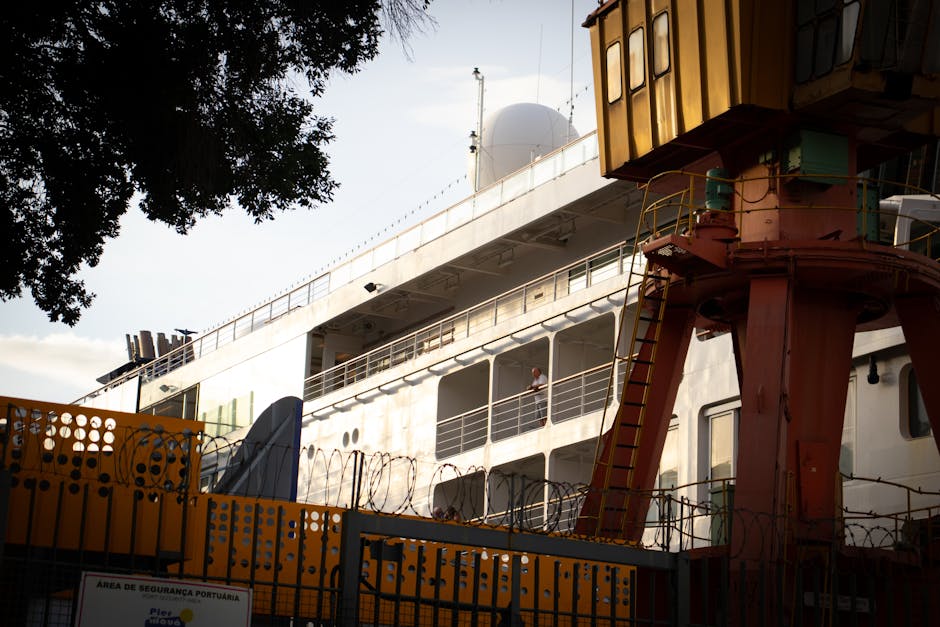
Retired librarian Eleanor Vance has garnered attention for her resilient spirit aboard the Oceanic Voyager, currently under a mandated quarantine following a confirmed Hantavirus outbreak. Confined to her cabin since mid-October, Ms. Vance exemplifies making the best of an unprecedented situation, transforming isolation into a period of unexpected personal enrichment. The vessel, carrying over 3,000 passengers and crew, is currently docked in international waters off the coast of Florida, awaiting clearance.
Background
Hantavirus: A Brief Overview
Hantaviruses are a group of single-stranded, enveloped RNA viruses belonging to the Bunyaviridae family. These viruses are zoonotic, meaning they are primarily transmitted from animals to humans, with rodents being the principal reservoirs. Unlike many other viruses, Hantaviruses are not typically transmitted from person to person, making contact tracing and isolation focused on exposure rather than direct human spread.
Globally, Hantaviruses cause two main clinical syndromes in humans: Hantavirus Pulmonary Syndrome (HPS) and Hemorrhagic Fever with Renal Syndrome (HFRS). HPS, primarily found in the Americas, is characterized by severe respiratory distress and can have a fatality rate of up to 38%. HFRS, prevalent in Asia and Europe, presents with fever, hemorrhagic manifestations, and kidney failure, with fatality rates varying from 1% to 15%.
Transmission typically occurs when humans inhale aerosolized viral particles from rodent urine, droppings, or saliva. This can happen during activities that disturb rodent nests or contaminated areas, such as cleaning out sheds, hiking, or working in infested buildings. Direct contact with rodents, or bites, can also transmit the virus, though less commonly. There is currently no specific treatment for Hantavirus infection, nor is there a commercially available vaccine for HPS, making early diagnosis and supportive care crucial.
The Oceanic Voyager Incident: Timeline of an Outbreak
The luxury cruise liner Oceanic Voyager, operated by Global Maritime Cruises, departed Miami, Florida, on October 10, 2023, for a 14-day Caribbean itinerary. The voyage was initially uneventful, with thousands of passengers enjoying the ship’s amenities.
The first signs of trouble emerged on October 18, eight days into the cruise, when a passenger, Mr. Arthur Jenkins, 62, from Phoenix, Arizona, presented to the ship’s infirmary with severe respiratory symptoms, fever, and muscle aches. His condition rapidly deteriorated, prompting the ship’s medical team to initiate advanced life support measures.
On October 19, Mr. Jenkins was medically evacuated via helicopter to a hospital in San Juan, Puerto Rico, during an unscheduled port call. Subsequent testing at the Centers for Disease Control and Prevention (CDC) laboratory confirmed a diagnosis of Hantavirus Pulmonary Syndrome (HPS) on October 21. This confirmation immediately triggered an alert to the Oceanic Voyager and international health authorities.
Following the confirmed case, Global Maritime Cruises, in conjunction with the CDC and the World Health Organization (WHO), initiated a comprehensive investigation. Preliminary findings suggested a potential rodent infestation in a specific cargo hold or storage area, possibly introduced during a supply loading operation prior to departure or at an earlier port of call. Rodent sightings, though not initially reported as widespread, were retrospectively noted by some crew members in restricted access areas.
On October 22, based on epidemiological risk assessment and contact tracing, a decision was made to implement a precautionary quarantine for passengers and crew identified as having potential exposure to the contaminated areas or close contact with the initial patient. This included Ms. Eleanor Vance, whose cabin was in a section adjacent to a suspected exposure zone and who had participated in an art class held in a common area that later underwent intensive sanitation.
The Oceanic Voyager altered its course, heading back towards the U.S. mainland. All non-essential common areas were closed, and enhanced sanitation protocols were immediately put into effect across the entire vessel.
Cruise Ship Health Protocols and Hantavirus
Cruise ships operate under stringent international health regulations, including the International Health Regulations (IHR) 2005, overseen by the WHO. These regulations mandate robust public health surveillance, reporting of infectious diseases, and implementation of measures to prevent international spread.
For rodent control, cruise lines typically adhere to comprehensive pest management programs. These include regular inspections, trapping, and exclusion methods to prevent rodents from boarding or establishing populations. However, the unique environment of a ship, with its vast storage areas and frequent port calls, presents continuous challenges.
While outbreaks of common respiratory or gastrointestinal illnesses like norovirus are more frequently associated with cruise ships, Hantavirus outbreaks are exceedingly rare in this setting. The Oceanic Voyager incident highlights the need for vigilance against a broader spectrum of zoonotic threats, particularly given global travel patterns and potential for unusual transmission vectors. The CDC’s Vessel Sanitation Program (VSP) typically focuses on gastrointestinal illness, but this incident may prompt a review of pest control and zoonotic disease surveillance protocols.
Key Developments
Eleanor Vance’s Resilient Spirit in Isolation
Ms. Eleanor Vance, 72, a retired librarian from Topeka, Kansas, has become a beacon of positivity amidst the uncertainty of the Hantavirus quarantine. Confined to her 200-square-foot cabin on Deck 7 since October 22, Ms. Vance has meticulously structured her days, refusing to let the circumstances diminish her spirit. Her approach has resonated with many, both on and off the ship, through her limited but impactful communications.
"It's certainly not the Caribbean cruise I envisioned," Ms. Vance chuckled during a video call facilitated by the ship's crew, "but every day is an opportunity. I've always loved learning, and now I have an uninterrupted stretch of time to pursue it." Her daily routine includes morning yoga, extensive reading from a digital library, journaling, and connecting with family via video calls. She has embraced the solitude, viewing it as a "forced sabbatical."
Ship’s Support for Quarantined Passengers
Global Maritime Cruises has implemented a comprehensive support system for the 187 passengers and 43 crew members under quarantine. Each quarantined individual receives daily medical check-ups by the ship’s dedicated medical team, monitoring for any signs of Hantavirus infection. These checks include temperature screenings, oxygen saturation measurements, and symptom inquiries.
To mitigate the psychological impact of isolation, the cruise line has provided enhanced in-cabin services. High-speed internet access has been made complimentary for all quarantined individuals, allowing for constant communication with loved ones and access to entertainment. A curated selection of movies, e-books, and virtual fitness classes are available on cabin televisions.
Meal service has been upgraded to a full room-service menu, with personalized dietary requests accommodated. Daily deliveries of fresh fruit, snacks, and toiletries are also provided. The ship's entertainment staff has organized virtual activities, including online trivia games and a "cabin photography challenge," encouraging passengers to share glimpses of their unique quarantine experiences. Mental health support, including access to onboard counselors via phone or video call, has also been made available.
Health Status and Investigation Updates
As of November 5, two weeks into the quarantine period, no additional confirmed cases of Hantavirus Pulmonary Syndrome have been reported among passengers or crew on the Oceanic Voyager. Several individuals presented with mild, non-specific symptoms such as fever or cough, but subsequent rapid diagnostic tests for common respiratory viruses and preliminary Hantavirus screenings have returned negative. These individuals are being closely monitored.
The investigation into the source of the outbreak is ongoing. A specialized team of public health experts, including entomologists and infectious disease specialists, boarded the vessel upon its arrival in international waters off the coast of Florida. They have conducted thorough inspections of the suspected cargo holds, storage areas, and ventilation systems. Rodent traps have been deployed, and environmental samples have been collected for laboratory analysis to identify the specific Hantavirus strain and its reservoir species.
Initial findings suggest a localized infestation, likely confined to a seldom-used dry storage area on Deck 2, which was used to store off-season decorative items. This area was not accessible to general passengers but was occasionally accessed by certain crew members, aligning with some of the identified contact pathways. The ship’s pest control records are under intense scrutiny, and interviews with crew members are continuing to reconstruct the timeline of events.
Port Authority Protocols and Docking Procedures
The Oceanic Voyager remains in a designated anchorage zone approximately 15 nautical miles off the coast of Fort Lauderdale, Florida. U.S. Customs and Border Protection (CBP) and the U.S. Coast Guard (USCG) are coordinating with the CDC and local health departments to manage the vessel’s eventual docking.
Strict protocols are in place for the disembarkation process. All passengers and non-essential crew will undergo a final health screening before being permitted to leave the ship. Those who have completed the quarantine period without symptoms and tested negative for Hantavirus (if deemed necessary by health authorities) will be allowed to proceed to their homes, with recommendations for continued self-monitoring.
Passengers requiring medical attention