
Public health forum calls for preparedness amid rising hantavirus concerns – The Hindu
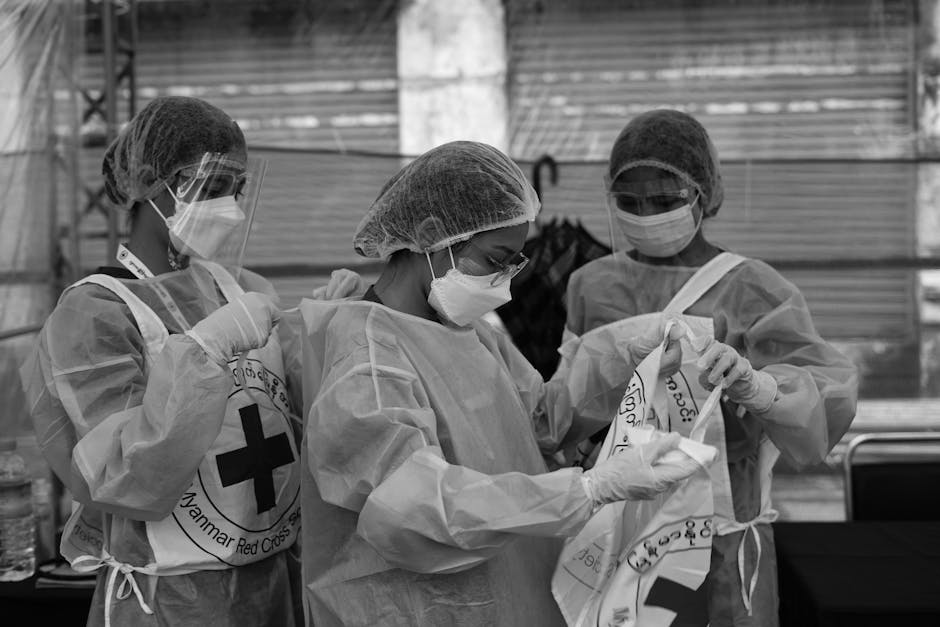
Public health experts and policymakers convened at a critical forum in New Delhi on October 26, 2023, urging immediate, comprehensive preparedness measures against the escalating global concerns surrounding hantavirus. The national dialogue, organized by the Indian Council of Medical Research (ICMR) in collaboration with the National Centre for Disease Control (NCDC), underscored the urgent need for a multi-sectoral approach to mitigate potential outbreaks across the nation.
Background: Understanding a Silent Threat
Hantaviruses are a group of single-stranded, negative-sense RNA viruses belonging to the family Hantaviridae, primarily transmitted to humans via aerosols from rodent excreta, urine, and saliva. Unlike many other viruses, hantavirus is not known to spread person-to-person. The clinical manifestations in humans vary significantly depending on the specific hantavirus strain. In Asia, particularly in China, Korea, and Russia, the most common form is Hemorrhagic Fever with Renal Syndrome (HFRS), characterized by fever, headache, abdominal pain, and kidney failure, with mortality rates ranging from 0.1% to 15%. In the Americas, hantavirus infection typically manifests as Hantavirus Pulmonary Syndrome (HPS), a severe respiratory illness with a rapid onset of pulmonary edema and respiratory distress, boasting a significantly higher fatality rate, often exceeding 30-40%.
Historical Context and Global Epidemiology
The first recognized hantavirus outbreak occurred during the Korean War in the early 1950s, affecting over 3,000 United Nations troops who developed HFRS, eventually leading to the isolation of Hantaan virus from striped field mice (Apodemus agrarius) in 1976. This discovery solidified the link between rodents and the disease. The subsequent identification of various hantavirus strains across continents revealed a complex global epidemiology. The Andes virus, for instance, first identified in Argentina in 1995, is unique for its documented person-to-person transmission, albeit rare and under specific close contact conditions. The Sin Nombre virus, responsible for the devastating 1993 HPS outbreak in the Four Corners region of the United States, primarily resides in deer mice (Peromyscus maniculatus).
In Europe, Puumala virus, carried by bank voles (Myodes glareolus), causes a milder form of HFRS known as nephropathia epidemica. Dobrava-Belgrade virus, found in yellow-necked mice (Apodemus flavicollis), is associated with more severe HFRS. These geographical distinctions in viral strains and their rodent reservoirs highlight the ecological complexity of hantavirus transmission.
Hantavirus in the Indian Subcontinent
While hantavirus has historically been less reported in India compared to East Asian nations, serological evidence and sporadic case reports confirm its presence. Research studies conducted over the past two decades have indicated varying levels of hantavirus seroprevalence in both human and rodent populations across different Indian states. A 2006 study in Tamil Nadu reported serological evidence of hantavirus antibodies in patients with acute febrile illness and renal involvement, suggesting the circulation of HFRS-causing strains. Subsequent investigations in states like Kerala, Karnataka, and Maharashtra have also identified hantavirus antibodies in high-risk groups, such as agricultural workers and urban slum dwellers, who have increased exposure to rodents.
For instance, a 2010 serosurvey in Maharashtra found hantavirus antibodies in 7.8% of sampled individuals presenting with fever of unknown origin. Similarly, a 2014 study in Kerala identified specific hantavirus RNA in rodent samples, correlating with human seropositivity in the region. The predominant strains identified in India through molecular characterization often show similarities to known Asian HFRS-causing viruses like Hantaan or Seoul virus, the latter being associated with urban rats (Rattus norvegicus and Rattus rattus). The presence of diverse rodent species across India, from rural fields to densely populated urban centers, creates a fertile ground for endemic hantavirus circulation, posing a persistent, albeit often overlooked, public health challenge.
Ecological Drivers and Climate Change
The ecology of hantavirus is intimately linked to rodent population dynamics, which are, in turn, heavily influenced by environmental factors. Periods of increased rainfall, particularly after droughts, can lead to abundant vegetation growth, providing more food and shelter for rodents. This often results in a surge in rodent populations, known as "rodent booms," which subsequently increase the risk of human exposure to hantavirus. Deforestation, agricultural practices, and urbanization further disrupt natural ecosystems, pushing rodents into closer proximity with human habitats.
Climate change projections suggest more frequent and intense extreme weather events, including erratic monsoons and prolonged dry spells followed by heavy rains, which could exacerbate rodent population fluctuations. A 2022 report by the Intergovernmental Panel on Climate Change (IPCC) highlighted the increased risk of zoonotic spillover events due to climate-induced ecological shifts. These environmental transformations necessitate a re-evaluation of current public health strategies, moving towards a proactive, climate-informed approach to disease surveillance and control.
Key Developments: Heightened Vigilance and Forum Insights
The recent public health forum in New Delhi was prompted by several converging factors, including a subtle but noticeable uptick in unexplained febrile illnesses with renal or respiratory complications in certain regions, coupled with global alerts regarding zoonotic disease emergence. While no widespread hantavirus outbreak has been officially declared in India, the forum served as a proactive measure to prevent such a scenario.
Recent Surveillance Findings and Regional Concerns
Data presented at the forum indicated a marginal increase in seropositivity rates for hantavirus in samples collected from patients exhibiting acute undifferentiated febrile illness (AUFI) in parts of Karnataka and Uttar Pradesh during the monsoon season of 2023. Dr. Anjali Sharma, Head of Zoonotic Diseases Division at NCDC, highlighted that while these were localized clusters, they warranted enhanced vigilance. For instance, in Shivamogga district, Karnataka, a region known for its dense forests and agricultural activity, five cases of HFRS-like symptoms with positive hantavirus serology were reported between July and September 2023, compared to an average of one case per year in the preceding three years. Similarly, in rural areas surrounding Lucknow, Uttar Pradesh, a small cluster of three individuals presenting with similar symptoms were found to be seropositive for hantavirus in August 2023. These localized increases, though not alarming in isolation, collectively signaled a potential shift in epidemiological patterns.
The New Delhi Forum: A Call to Action
The two-day forum, held at the Vigyan Bhawan, brought together over 150 delegates, including epidemiologists, virologists, public health officials, environmental scientists, and representatives from the Ministry of Health and Family Welfare, Ministry of Environment, Forest and Climate Change, and the Ministry of Agriculture. The inaugural address by Dr. Rajesh Kumar, Director General of ICMR, emphasized the lessons learned from the COVID-19 pandemic regarding the critical importance of early preparedness for emerging infectious diseases.
Key speakers included Dr. Priya Singh, a leading virologist from the National Institute of Virology (NIV), Pune, who presented a comprehensive overview of hantavirus strains circulating in India and their potential for pathogenicity. She stressed the need for advanced molecular diagnostic capabilities at district-level laboratories. Dr. Ramesh Gupta, an environmental health specialist, presented on the ecological factors driving rodent population booms in agricultural and peri-urban settings, advocating for integrated pest management strategies.
A crucial aspect of the forum was the emphasis on a "One Health" approach, recognizing the interconnectedness of human, animal, and environmental health. Dr. Sudhir Menon, Director of the Animal Husbandry Department, underscored the necessity of collaborative surveillance efforts between veterinary and human health sectors to monitor rodent populations and identify potential viral threats before they spill over into human populations. The forum concluded with a joint declaration outlining specific recommendations for a national preparedness plan.
Advancements in Diagnostics and Research
Recent years have seen significant strides in hantavirus diagnostics. While traditional ELISA-based serological tests for IgM and IgG antibodies remain the cornerstone for diagnosis, real-time RT-PCR assays have become increasingly available, allowing for direct detection of viral RNA in acute phase samples. These molecular methods offer higher sensitivity and specificity, crucial for early diagnosis and differentiation from other febrile illnesses like leptospirosis, dengue, or scrub typhus, which present with similar initial symptoms.
Research efforts in India are also gaining momentum. The NIV, Pune, in collaboration with ICMR, has initiated a multi-centric study to map the geographical distribution of hantavirus seroprevalence in high-risk populations and identify the specific rodent reservoirs and viral strains across diverse ecological zones. This includes genetic sequencing of viral isolates to understand their evolutionary dynamics and potential for adaptation. Furthermore, preliminary research into potential antiviral compounds and vaccine candidates is underway globally, though no licensed human vaccine for HPS or HFRS is currently available in most parts of the world, except for inactivated HFRS vaccines used in China and Korea.
Policy Discussions and International Collaboration
The forum also served as a platform for policy discussions, focusing on integrating hantavirus surveillance into existing national disease control programs. Discussions revolved around potential amendments to the Integrated Disease Surveillance Programme (IDSP) guidelines to include hantavirus as a reportable disease in areas with identified risk factors. There was also a strong call for increased funding for zoonotic disease research and control.
Internationally, India has been actively participating in global health security initiatives, sharing data and expertise with organizations like the World Health Organization (WHO) and the Centers for Disease Control and Prevention (CDC). Collaborative projects with countries like South Korea and China, which have extensive experience with HFRS, are being explored to leverage their expertise in surveillance, diagnostics, and clinical management protocols. This international exchange is vital for developing robust, evidence-based preparedness strategies tailored to the Indian context.
Impact: A Multifaceted Threat
The potential impact of a widespread hantavirus outbreak extends far beyond immediate health concerns, affecting healthcare systems, economies, and social structures. The forum highlighted these multifaceted risks, emphasizing the need for a holistic preparedness strategy.
Health Burden and Healthcare System Strain
Hantavirus infections, particularly HPS, are characterized by severe clinical presentations requiring intensive medical care. Patients often develop acute respiratory distress syndrome (ARDS) or acute kidney injury (AKI), necessitating mechanical ventilation, dialysis, and prolonged hospitalization in intensive care units (ICUs). A surge in cases could rapidly overwhelm healthcare facilities, particularly in rural or remote areas with limited specialized medical infrastructure. The estimated cost of treating a single severe HPS case, including ICU stay, medications, and supportive care, can run into lakhs of rupees, placing a significant financial burden on individuals and the public health system.
Beyond the acute phase, survivors of hantavirus infections can experience long-term health complications, including chronic kidney disease (post-HFRS) or reduced lung function (post-HPS), requiring ongoing medical follow-up and rehabilitation. This creates a persistent health burden on the affected individuals and a demand for chronic care services. The psychological toll on patients and their families, dealing with severe illness and the uncertainty of recovery, is also considerable.
Economic Repercussions
A hantavirus outbreak can have significant economic ramifications. In agricultural regions, fear of exposure might lead to disruptions in farming activities, affecting crop yields and food security. Rodent control measures, while necessary, can be costly. For example, in the 1993 Four Corners HPS outbreak, agricultural activities in affected areas were significantly hampered, leading to economic losses for local communities. The cost of implementing widespread public health interventions, including surveillance, diagnostics, and awareness campaigns, would require substantial public expenditure.
Furthermore, a perceived threat of hantavirus could impact tourism in affected areas, as travelers might avoid regions associated with disease outbreaks. International trade could also be indirectly affected if agricultural products are perceived as contaminated, though hantavirus is not a foodborne illness. The overall economic productivity of a region could decline due to illness-related absenteeism and the diversion of resources towards public health emergencies.
Social and Psychological Impacts
Fear and misinformation surrounding an infectious disease outbreak can lead to social disruption. Communities might experience anxiety, stigmatization of affected individuals, and changes in daily routines. For instance, in areas where hPS is endemic, people might develop an irrational fear of rodents, leading to overzealous and potentially harmful eradication efforts. Public trust in health authorities can erode if communication is unclear or if preparedness measures are perceived as inadequate.
Vulnerable populations, such as migrant workers, indigenous communities living in close proximity to natural habitats, and individuals residing in informal settlements with poor sanitation, are disproportionately affected. These groups often have limited access to healthcare, education, and resources for rodent control, making them more susceptible to exposure and less equipped to cope with the disease. The psychological stress associated with living in a high-risk environment, coupled with the potential for severe illness, can have long-lasting effects on mental well-being.
Global Health Security Implications
The emergence or re-emergence of zoonotic diseases like hantavirus poses a significant threat to global health security. In an interconnected world, an outbreak in one region can have ripple effects worldwide, impacting travel, trade, and international relations. The COVID-19 pandemic served as a stark reminder of the global interconnectedness of health threats. Robust national preparedness plans, therefore, contribute not only to domestic health security but also to global efforts to prevent and control infectious disease outbreaks. Sharing of data, research, and best practices across borders is crucial for building a resilient global health security architecture.
What Next: Charting a Course for Preparedness
The New Delhi forum culminated in a comprehensive roadmap for hantavirus preparedness, outlining immediate actions and long-term strategies across various sectors. The recommendations emphasize proactive surveillance, enhanced diagnostic capabilities, public awareness, and inter-agency coordination.
Strengthening Surveillance and Early Warning Systems
A primary recommendation from the forum is to integrate hantavirus surveillance into the existing Integrated Disease Surveillance Programme (IDSP) by January 2024. This involves developing standardized case definitions for HFRS and HPS, establishing sentinel surveillance sites in high-risk districts, and ensuring timely reporting of suspected cases. The NCDC will lead efforts to develop a national hantavirus surveillance protocol, which includes active screening for hantavirus antibodies and RNA in patients presenting with unexplained acute febrile illness, particularly those with renal or respiratory complications.
The "One Health" approach will be central to surveillance efforts. Veterinary departments will establish rodent surveillance programs to monitor hantavirus prevalence in reservoir species in identified high-risk areas. This includes regular trapping, sampling, and testing of rodents in agricultural fields, forests, and urban environments. Data from human and animal surveillance will be integrated and analyzed collaboratively to provide early warning signals of potential outbreaks. The use of geographic information systems (GIS) for mapping rodent habitats and human exposure zones will be leveraged to predict risk areas.
Enhancing Diagnostic and Treatment Capacities
To ensure rapid and accurate diagnosis, the forum recommended upgrading diagnostic capabilities at national and state-level public health laboratories. By mid-2024, at least one state-level laboratory in each high-risk state (e.g., Karnataka, Kerala, Maharashtra, Uttar Pradesh) will be equipped with real-time RT-PCR facilities for hantavirus detection. Training programs for laboratory personnel on advanced molecular diagnostics and biosafety protocols will be initiated in collaboration with NIV, Pune.
Clinical management protocols for HFRS and HPS will be standardized and disseminated to healthcare providers across the country by early 2024. This includes guidelines for supportive care, fluid management, renal replacement therapy (dialysis), and respiratory support. Training modules for medical professionals, especially those in rural and district hospitals, on early recognition, diagnosis, and management of hantavirus infections will be developed and implemented through continuous medical education programs. Stockpiling of essential medical supplies, including ventilators and dialysis equipment, in vulnerable regions will also be considered.
Public Awareness and Community Engagement
Effective public awareness campaigns are crucial for preventing hantavirus transmission. The Ministry of Health and Family Welfare, in collaboration with state health departments, will launch a national campaign by February 2024, focusing on risk factors and preventive measures. Key messages will include:
1. Rodent Control: Emphasizing safe and effective rodent control practices in homes, workplaces, and agricultural settings. This includes sealing entry points, proper food storage, and regular cleaning.
2. Safe Cleaning Practices: Educating the public on how to safely clean areas potentially contaminated with rodent droppings and urine, using disinfectants and avoiding stirring up dust. Personal protective equipment (PPE) like gloves and masks will be recommended for such tasks.
3. Preventing Exposure: Advising individuals, especially those in high-risk occupations (farmers, construction workers, campers), to take precautions when working or recreating in areas where rodents may be present.
4. Symptoms Recognition: Informing the public about the early symptoms of hantavirus infection to encourage timely medical consultation.
These campaigns will utilize various media channels, including television, radio, social media, and local community outreach programs, with materials translated into regional languages. Community health workers (ASHAs and ANMs) will play a vital role in disseminating information at the grassroots level.
Research Priorities and Vaccine Development
The forum identified several research priorities to strengthen preparedness. Long-term ecological studies on rodent population dynamics and hantavirus prevalence in different ecosystems across India are essential. Further research into the genetic diversity of hantavirus strains circulating in India is needed to understand their pathogenic potential and inform vaccine development efforts. While a human vaccine is not immediately available, India will actively participate in international collaborations for hantavirus vaccine research and development, leveraging its robust vaccine manufacturing capabilities. Research into potential antiviral therapies specifically effective against hantaviruses is also encouraged.
Policy Framework and Inter-Agency Coordination
A robust policy framework is critical for sustained preparedness. The forum recommended the establishment of a National Hantavirus Task Force under the aegis of the Ministry of Health and Family Welfare, comprising experts from various ministries (Health, Environment, Agriculture, Animal Husbandry) and research institutions. This task force, to be constituted by December 2023, will be responsible for overseeing the implementation of the preparedness plan, coordinating inter-agency efforts, allocating resources, and conducting regular reviews and evaluations.
The task force will also work on developing clear guidelines for environmental management and rodent control, including sustainable agricultural practices that minimize human-rodent interaction. Funding mechanisms for surveillance, research, and public health interventions will be streamlined and enhanced to ensure adequate resources are available for long-term preparedness. International cooperation, data sharing, and participation in global health security initiatives will remain a priority to leverage global expertise and resources in combating this zoonotic threat.
By implementing these comprehensive measures, India aims to build a resilient public health system capable of effectively preventing, detecting, and responding to hantavirus concerns, safeguarding the health and well-being of its population against this silent yet potent threat.