
Konrad Laimer addresses controversial handball decisions, baffled at fourth official intervention – Bavarian Football Works
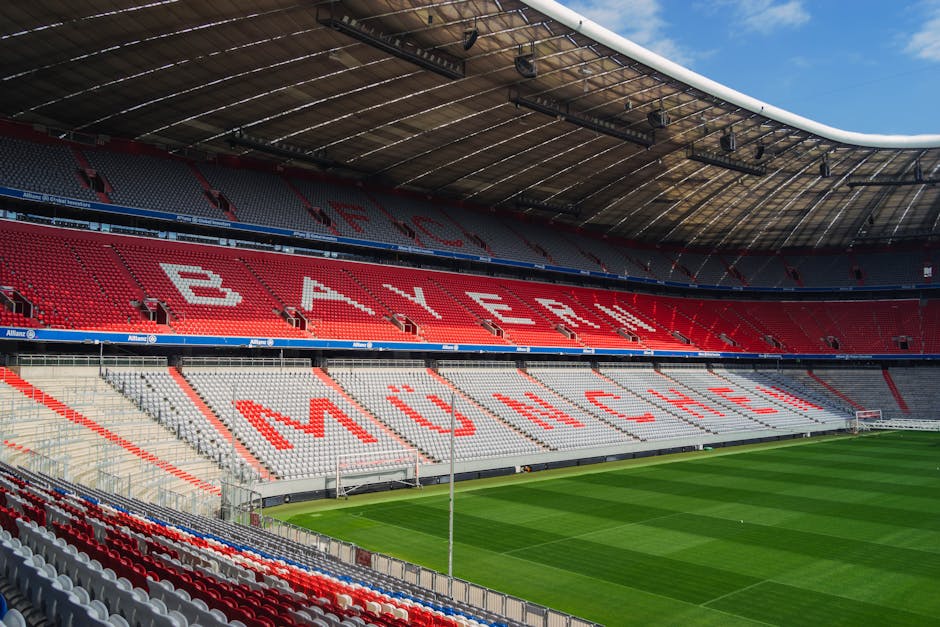
Konrad Laimer, the prominent midfielder for Bayern Munich, has voiced significant frustration regarding recent handball decisions in football, expressing particular bewilderment at what he perceives as an expanded and intrusive role for the fourth official. His comments, reported by Bavarian Football Works, highlight a growing discontent among players concerning the inconsistency and subjectivity inherent in contemporary officiating, especially in high-stakes matches.
Background: The Evolving Landscape of Handball Rules and VAR
The debate surrounding handball decisions is not new but has intensified dramatically with the advent of the Video Assistant Referee (VAR) system. For decades, the rule largely hinged on the concept of "deliberate" handball, a subjective interpretation that often led to controversy. A player was penalized if they intentionally handled the ball to gain an advantage or prevent an opponent from doing so. This simple premise, however, proved difficult to apply consistently in the fast-paced environment of professional football.
Early Interpretations and Gradual Amendments
Initially, referees relied heavily on their judgment of a player's intent. Was the arm moving towards the ball? Did the player gain an unfair advantage? These questions formed the basis of decisions. Over time, the International Football Association Board (IFAB), the body responsible for the Laws of the Game, began to introduce nuances. Concepts like "unnatural position" of the arm started to emerge, attempting to provide a more objective framework for accidental handballs that still impacted the game.
The 1990s and early 2000s saw a gradual shift. The idea that a handball could be accidental but still punishable if it prevented a goal or a clear scoring opportunity gained traction. This was an attempt to balance the fairness of the game with the technicality of the rule. However, it also introduced more grey areas, as what constituted an "unnatural position" or a "clear scoring opportunity" remained open to interpretation.
The VAR Revolution and Its Unintended Consequences
The most significant shift in football officiating arrived with the introduction of VAR. Trialed in various competitions from 2016, VAR was officially incorporated into the Laws of the Game in 2018, with major leagues and international tournaments rapidly adopting the technology. Its primary aim was to correct "clear and obvious errors" and "serious missed incidents" in four match-changing situations: goals, penalty incidents, direct red cards, and mistaken identity.
While VAR brought undeniable benefits in correcting factual errors like offside goals or mistaken identity, its application to subjective decisions, particularly handball, quickly became a source of widespread contention. Slow-motion replays, often viewed from multiple angles, began to dissect every touch of the ball, stripping away the context of real-time play. What might have appeared as an unavoidable contact at full speed suddenly looked like a deliberate action or an arm in an "unnatural position" when scrutinized in slow motion.
This hyper-analysis led to a proliferation of handball calls that many felt went against the spirit of the game. Defenders found themselves in impossible situations, often penalized for contacts where their arms were merely in a natural running or jumping position, or where the ball deflected off them at extremely close range with no time for reaction. The concept of "intent" seemed to diminish, replaced by a strict interpretation of arm position.
The Evolving Role of the Fourth Official
Traditionally, the fourth official's duties have been largely administrative and supportive. They manage substitutions, display added time, oversee the technical areas, and serve as a crucial link between the referee team and the benches. Their role is to assist the referee, particularly with disciplinary matters that occur off-the-ball or near the touchline, and to manage the flow of the game from the sidelines.
However, Laimer's comments suggest a perceived expansion of this role, particularly in initiating or influencing decisions related to on-field incidents like handballs. While the fourth official can alert the referee to incidents they may have missed, especially disciplinary ones, directly intervening in subjective calls that are already under the purview of the referee and VAR system is less common and could be seen as overstepping traditional boundaries. Laimer's "baffled" reaction underscores a belief that the fourth official's input in such a context was unusual or unwarranted, adding another layer of complexity to an already convoluted decision-making process.
Bayern Munich and High-Stakes Officiating
Bayern Munich, as one of Europe's elite clubs, frequently finds itself in high-profile matches where officiating decisions carry immense weight. Whether in the Bundesliga, the DFB-Pokal, or the UEFA Champions League, critical moments can hinge on a single call. Over the past few seasons, like many top clubs, Bayern has been on both the receiving and giving end of controversial handball decisions, further fueling the debate within the club and among its players. These experiences undoubtedly contribute to the collective frustration that players like Laimer now articulate publicly.
Key Developments: Recent Shifts in Handball Interpretations
The continuous controversy surrounding handball decisions has prompted IFAB to repeatedly review and amend the Laws of the Game. These ongoing adjustments reflect a struggle to find a balance between clarity, fairness, and the natural flow of the game.
IFAB’s Continuous Rule Adjustments
Since the widespread adoption of VAR, IFAB has issued several clarifications and amendments to the handball law, often in response to specific incidents or widespread criticism. One notable shift occurred regarding accidental handballs by attacking players. Initially, any handball by an attacking player immediately prior to scoring a goal, even if accidental, would lead to the goal being disallowed. This led to numerous goals being chalked off for barely perceptible touches, often frustrating fans and players alike.
In March 2021, IFAB revised this, stating that an accidental handball by an attacking player would only be penalized if it immediately led to a goal or a clear goal-scoring opportunity. If the ball traveled some distance or there were several passes before the goal, the initial accidental handball would likely not be penalized. This change aimed to reintroduce some common sense and reduce the number of "soft" handballs leading to disallowed goals.
However, the core of the defensive handball rule, particularly concerning the "unnatural position" of the arm, has remained a significant challenge. IFAB has attempted to define "unnatural position" as when the arm "makes the body unnaturally bigger" and is not "a consequence of, or justifiable by, the player's body movement for that specific situation." Yet, applying this in real-time, or even with VAR, continues to be highly subjective. Proximity, the speed of the ball, and the player's ability to react are all factors that referees are supposed to consider, but the weight given to each factor can vary.
Refereeing Directives and Training
National and international refereeing bodies, such as the DFB (German Football Association) and UEFA, regularly issue directives to their officials based on IFAB's guidelines. These directives aim to ensure a consistent application of the rules across different leagues and competitions. Training sessions for referees and VAR operators often focus on specific scenarios, using video examples to illustrate correct and incorrect interpretations.
Despite these efforts, differences in interpretation persist. What one referee deems an "unnatural position" might be considered a natural movement by another. The emphasis can also shift from season to season. One season might see a stricter approach to defensive handballs, while the next might encourage more leniency, leading to a sense of unpredictability for players and fans. The pressure on referees to get decisions right, coupled with the scrutiny provided by VAR, has created an environment where even minor discrepancies in interpretation can ignite major controversies.
Player and Coach Feedback
The consistent feedback from players and coaches, including Laimer's recent comments, indicates a widespread dissatisfaction with the current state of handball rules and their application. Many argue that the rules are too complex, too subjective, and too prone to creating inconsistencies that impact match outcomes. Players often express confusion about how they are supposed to defend without risking a handball, particularly when the ball is struck from close range or deflects unexpectedly.
Coaches frequently highlight the disruptive nature of VAR checks for handball, which can interrupt the flow of the game and create long delays. The lack of clarity around the decision-making process, especially when a fourth official's input is involved in an unusual manner as Laimer suggests, further exacerbates this frustration. The collective voice of the football community consistently calls for simpler, clearer, and more consistent rules that allow for the natural dynamism of the game to prevail.
Impact: Who is Affected by Handball Controversies
The ripple effects of contentious handball decisions extend far beyond the immediate moment on the pitch, impacting various stakeholders within the football ecosystem. From the players themselves to the very integrity of the sport, the consequences are multifaceted.
Players Like Konrad Laimer
For players, the primary impact is often one of profound frustration and confusion. Laimer's "baffled" reaction is indicative of a broader sentiment among professionals who are trained to perform at the highest level but find themselves navigating an unpredictable rulebook. When a player is penalized for a handball that they feel was unavoidable or unintentional, it can lead to:
Loss of Focus and Morale: A controversial decision can disrupt a player's concentration, affecting their performance for the remainder of the match. It can also demotivate a team, particularly if a crucial goal is disallowed or a penalty is awarded against them unfairly.
* Difficulty in Defensive Play: Defenders are increasingly hesitant, unsure how to position their arms or bodies without risking a handball. This can lead to unnatural movements or a reluctance to engage in challenges, potentially hindering defensive effectiveness.
* Risk of Sanctions: Handball infractions can result in yellow cards, leading to suspensions, or even direct red cards in cases of denying a clear goal-scoring opportunity. Penalties awarded for handball often directly lead to goals, swinging the momentum of a match.
* Mental Strain: The constant scrutiny and the potential for a game-changing decision to go against them, even for a seemingly innocuous contact, adds significant mental pressure on players.
Clubs and Their Fortunes
Football clubs bear the brunt of controversial decisions in tangible ways, affecting their performance, finances, and reputation.
Match Outcomes and League Standings: A single handball decision can alter the result of a match, impacting points totals in a league, progression in cup competitions, or qualification for lucrative European tournaments. Over a season, these decisions can accumulate, determining a club's ultimate fate.
* Financial Implications: Success in football is directly tied to financial rewards. Advancing in the Champions League, for instance, brings substantial prize money, broadcasting revenue, and increased sponsorship opportunities. A controversial handball decision in a knockout tie could cost a club millions of euros.
* Strategic Planning: Coaches and sporting directors must factor in the unpredictability of officiating. This can influence transfer policies (e.g., seeking players less prone to handball risks) and tactical approaches.
* Reputational Damage: Clubs and their fan bases often feel victimized by perceived unfair decisions, leading to public outcry and a sense of injustice that can affect morale and trust in the governing bodies.
Referees and Officiating Bodies
While VAR was introduced to support referees, it has paradoxically placed them under even greater scrutiny.
Increased Pressure and Criticism: Every decision, particularly those involving VAR reviews, is dissected by pundits, fans, and media. Referees face immense pressure to be consistently perfect in an inherently subjective environment.
* Difficulty in Consistency: Despite training and directives, the subjective nature of handball makes consistent application across different matches and officials incredibly challenging. This leads to the very inconsistency that players like Laimer lament.
* Impact on Career Progression: Public and private assessments of referee performance, heavily influenced by controversial decisions, can affect their assignments to high-profile matches and their overall career trajectory.
* Erosion of Authority: Constant debate and criticism can undermine the authority of referees and the officiating system as a whole, making their job even harder.
Fans and the Spectator Experience
For fans, the emotional core of football, controversial handballs can diminish the enjoyment of the game.
Frustration and Confusion: Fans often struggle to understand the nuances of the handball rule, leading to confusion and anger when decisions go against their team, or even when they see seemingly identical incidents treated differently in other matches.
* Interruption of Flow: VAR checks, particularly for handball, can be lengthy and interrupt the natural rhythm of the game, dampening the atmosphere in stadiums and for television viewers.
* Erosion of Trust: A repeated pattern of inconsistent or perceived unfair decisions can erode fans' trust in the integrity of the sport and the fairness of its outcomes, leading to cynicism.
* Intense Debate: Handball controversies fuel endless debates on social media, in sports forums, and among friends, which, while part of football culture, also highlight the underlying issues.
The Game of Football Itself
Ultimately, the ongoing handball saga impacts the very essence of football.
Debate on Integrity: The fundamental fairness of the sport is called into question when crucial decisions appear arbitrary or inconsistent.
* Balance Between Human Element and Technology: The struggle to integrate technology (VAR) into a sport traditionally officiated by human judgment, particularly for subjective rules, highlights a fundamental tension.
* Evolution of Tactics: The rules, including those for handball, subtly influence how the game is played, potentially leading to more cautious defensive approaches or a shift in how players attack.
What Next: Anticipated Milestones and Future Directions
The ongoing discourse surrounding handball decisions, intensified by comments from influential figures like Konrad Laimer, ensures that the issue will remain a focal point for football's lawmakers and stakeholders. Several avenues are being explored to address the persistent challenges, though definitive solutions remain elusive.
IFAB’s Ongoing Review and Potential Amendments
The International Football Association Board (IFAB) holds annual general meetings (AGMs) where the Laws of the Game are reviewed and potential amendments are discussed and approved. Given the continuous criticism, it is highly probable that handball will remain a priority agenda item for the foreseeable future.
Focus on Clarity and Consistency: Future revisions are likely to aim for greater clarity in the wording of the handball law, seeking to reduce ambiguity and subjective interpretation. This might involve more precise definitions of "unnatural position," "proximity," and "deliberate intent."
* Stakeholder Consultation: IFAB often consults with various stakeholders, including players' unions (FIFPRO), coaches' associations, and refereeing bodies, to gather feedback. The collective voice of players like Laimer could influence future rule changes, pushing for a return to a more intuitive understanding of handball.
* Potential for Simplification: There is a growing sentiment that the handball law has become overly complicated. Future efforts might focus on simplifying the rule, perhaps by re-emphasizing the concept of deliberate intent or by providing clearer guidelines for when an accidental handball should genuinely be penalized.
Refereeing Body Directives and Training Enhancements
National and international refereeing organizations will continue to adapt their directives and training programs based on IFAB's guidelines and the evolving landscape of the game.
Enhanced VAR Protocols: There might be further refinements to VAR protocols specifically for handball incidents. This could include clearer guidance on when VAR should intervene (i.e., only for "clear and obvious errors" and not for marginal interpretations), or how the on-field referee should use the pitch-side monitor to ensure consistency.
* Focus on Context: Training for referees may place a renewed emphasis on considering the full context of an incident – the player's movement, the speed of the ball, the distance, and the naturalness of the arm position – rather than solely relying on slow-motion replays that can distort reality.
* Transparency in Decision-Making: While full real-time audio from VAR rooms is unlikely in the immediate future, there might be moves towards greater transparency in explaining handball decisions to the public, perhaps through post-match summaries or clearer communication from officials.
Technological Innovations and Their Limits
While technology has been central to the handball debate through VAR, further technological advancements could play a role, though the subjective nature of handball limits its applicability compared to factual decisions like offside.
Improved Camera Angles and Systems: Continuous improvements in camera technology and VAR systems could provide even better visual evidence, potentially aiding referees in making more informed decisions.
* Semi-Automated Handball Detection (Highly Unlikely): Unlike offside, where semi-automated technology can precisely track body parts, handball remains inherently subjective. It is highly improbable that technology could ever fully automate handball detection, as it requires human judgment on intent and naturalness of movement. Therefore, human interpretation will remain crucial.
Player and Coach Advocacy
The comments from prominent figures like Konrad Laimer are not isolated incidents. They are part of a broader, continuous advocacy from players and coaches who seek greater clarity and fairness in the rules.
Collective Voice: Player unions and coaching associations will likely continue to lobby IFAB and other governing bodies, presenting their collective concerns and proposing practical solutions based on their on-field experiences.
* Public Discourse: High-profile statements keep the issue in the public consciousness, putting pressure on lawmakers to address the problems more effectively.
Addressing the Fourth Official’s Role
Laimer's specific concern about the fourth official's intervention points to a need for clearer demarcation of roles within the officiating team.
Clarified Responsibilities: Governing bodies might issue clearer guidelines on the precise responsibilities and scope of intervention for the fourth official, particularly concerning subjective on-field decisions like handball. This would aim to prevent perceived overreach and maintain the established hierarchy of refereeing authority.
* Communication Protocols: Reviewing and refining the communication protocols between all match officials (referee, assistant referees, fourth official, VAR, and AVAR) could help ensure that interventions are appropriate, timely, and within the defined scope of each role.
Ultimately, the future of handball decisions in football will likely involve an ongoing process of refinement and adaptation. The goal remains to strike a delicate balance: ensuring fairness and consistency through clear rules, while preserving the natural flow and excitement of the beautiful game that players like Konrad Laimer dedicate their lives to. The dialogue initiated by players' frustrations is a vital component in driving this necessary evolution.